Why relationship-led advice
matters more, not less
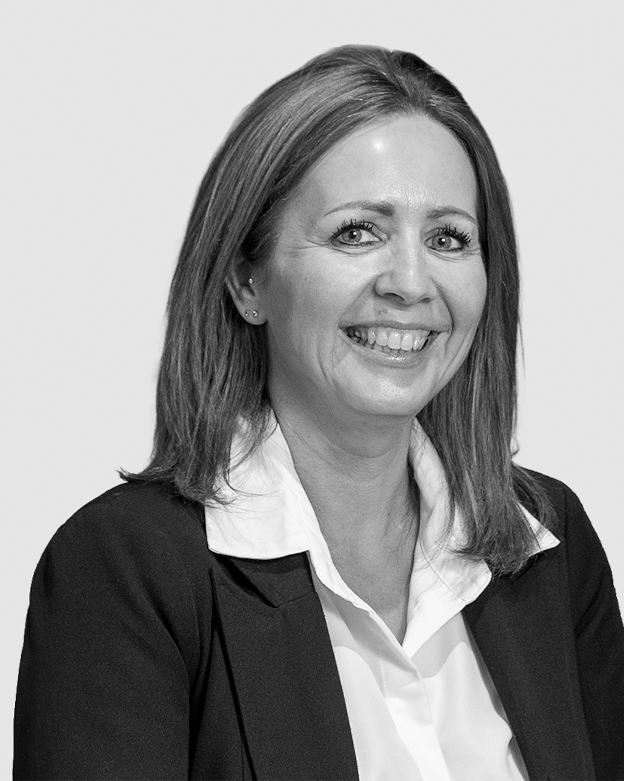
By Wendy Atkinson, Director of Growth and Partnerships, AMS Group Scotland.
What Businesses Should Expect from their Audit, Tax and Advisory Partner
I was reminded recently, after a weekend in Deeside celebrating with friends, how much good conversation depends on time, trust and familiarity.
There was walking, food, fresh air and plenty of putting the world to rights. The kind of chat that happens when people are comfortable enough to talk properly.
The best conversations are often like that. They start with ordinary things. How your son’s football team got on in the cup final. Whether that new cafe up the road from the office is as good as the last one. What has been happening at home, in the business and in the wider market.
It made me think about how often those conversations still happen in business.
When did you last sit down with the senior person from your advisory firm who really understands your business? Not just the person managing the work, or the latest contact copied into the email chain, but the adviser who knows the background, the pressures and what you are trying to achieve next.
Across more than 20 years in business, I have found that the best relationships are built through regular conversation. Through knowing people well enough to understand the background, not just the immediate question. Being close enough that someone feels able to pick up the phone before a small issue becomes a bigger one.
Businesses are dealing with change on several fronts. Costs are under pressure, teams are stretched and more work is being shaped by digital platforms, automated processes and, increasingly, AI.
There is real value in that, of course. Used well, technology can make work faster, clearer and more efficient. Most businesses still have their accountancy adviser in place alongside the technology too. The work is being done, the deadlines are being met and the technical questions are being answered.
But I am seeing a shift.
Business owners and senior teams are realising those senior conversations may not be happening as often as they used to. The adviser who once knew their business well is perhaps no longer as close to the conversation. They may now be dealing with a series of different contacts.
That can be frustrating, but it can also change the quality of the advice over time.
I know that the people I work with still want someone who knows them well enough to have a useful conversation. Someone who can act as a sounding board, raise points they may not have considered, reduce risk and protect profitability. Someone who remembers the background, understands the people involved and can join the dots between what is happening today and what the business is trying to achieve next.
For me, the value in advisory services has always been in that relationship. Getting face to face, where practical. Picking up the phone. Taking the time.
When someone does get in touch, the approach is to listen first, not lead with what might be on offer. Asking what has actually been happening for the business over the past few months, and identifying what is genuinely useful from there, tends to land better than opening with a list of services. It also means a proposal can turn around in a matter of days rather than the multi-week wait some businesses have become used to elsewhere, which says something in itself about how the relationship works.
This does not mean every conversation needs to be scheduled or come with a fee, of course. Clients should feel able to ask questions early, without worrying that a short conversation will become an unexpected cost.
It can be easy to see this type of relationship as traditional, even nostalgic, especially when so much of business is focused on speed, systems, efficiency and the latest AI chatbot.
Why relationship-led advice matters more, not less
But ask yourself where some of your most useful adviser conversations have started. A thought about growth. A concern about cost. A passing comment about future plans.
With the right adviser relationship, those moments are not missed, even when they come after the formal meeting has closed. They rely on judgement, familiarity and human conversation. That is not something I have found can be replaced by an algorithm.
A business might mention that it is investing heavily in new premises. While most of the discussion is focused on the practical side of the project, a wider tax conversation may also be sitting in the background, including whether capital allowances have been considered.
Or an owner-managed business might say, almost in passing, that an exit could be on the horizon in five years' time. That is not something to leave until the transaction is live. The useful advice starts much earlier, when there is still time to plan properly.
That local understanding matters, but it has to be matched by capability too.
Many businesses in Aberdeen and across the North-East are deeply rooted here, but their work is not always local. They may have people moving between countries, projects overseas, complex payroll questions, tax considerations linked to investment, or growth plans that need specialist input.
That is where the right adviser relationship becomes even more important. You need someone who understands the business in front of them and who can also bring in the right expertise when the question becomes more complex.
For me, that is the strength of the model AMS is building in Scotland. Senior local relationships, backed by the depth of a wider team with national capability and international experience across employment tax, payroll, international work, growth planning, succession, investment and other specialist areas.
Do you still have access to the senior people who understand your business? Do they know what has changed, what is coming next and where you may need support before you have had to ask for it?
If the relationship feels thinner than it once did, it may be worth asking whether it still gives your business what it needs.